


Copper Oxide
Note: Currently not available for delivery to Europe, World Zone A, World Zone 2 and World Zone 1.
Description
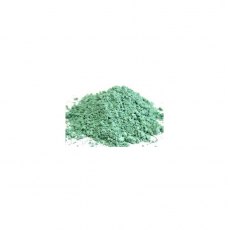
Copper oxide is a highly concentrated raw metallic pigment used to create rich greens, deep turquoises, or metallic blacks.
Working Notes
1. The Oxide Wash Technique (Highlighting Texture)
This is the most popular way to use raw copper oxide. It acts as a patina to dramatically highlight carved lines, stamps, or rough textures.
- Mix the Wash: Combine the powdered oxide with water in a small container. Mix it until it reaches a thin, watercolor or ink-like consistency.
- Apply to Bisqueware: Using a dedicated paintbrush, coat the textured area of your bisque-fired piece completely.
- Wipe it Back: Let the wash dry slightly, then take a damp sponge and gently wipe the surface. This removes the oxide from the high points while leaving it trapped deep inside the textures and grooves.
- Glaze Option: You can leave the wiped area unglazed for a raw, dark finish, or apply a transparent/clear glaze over it to make the piece functional and food-safe.
2. Underglaze and Overglaze Painting
Because it is color in its purest form, you can use oxide washes like paint to create brush strokes, splatters, or patterns.
- Under a Glaze: Paint your design directly onto bisqueware, let it dry, and then dip or brush a light or transparent glaze over it. The glaze will soften the edges of your brushstrokes, creating a beautiful, watery, hazy look.
- Over a Glaze (Majolica Style): Apply your base glaze to the pot first. While the glaze is still dry but unfired, paint your oxide wash directly on top of it. During the firing, the oxide will melt into the melting glaze.
3. Mixing Directly into Glazes or Clay Bodies
Instead of applying it to the surface, you can add raw copper oxide directly into your wet glaze or clay recipes.
- In Glazes: Adding 1% to 5% copper oxide to a clear or white base glaze will turn it green or turquoise.
- In Clay: You can wedg or marble small amounts of the oxide directly into wet white clay to create colored swirls throughout the clay body.
Health & Safety & Disposal
- When handling powdered ceramic oxides in the UK, you must wear an FFP3/P2 face mask and nitrile gloves to prevent inhalation and skin contact.
- Wear a wipeable apron, polyester overalls, or similar. Clean or wash frequently.
- Always clean your studio with a wet sponge rather than sweeping to stop dust from becoming airborne.
- When preparing glazes, add the dry material to water, not vice-versa, to minimise dust formation.
- Do not allow eating and drinking in the studio and thoroughly wash hands when leaving.
- Never eat, drink, or apply cosmetics in areas where clay or glazes are handled.
- Ensure emergency eye-washing facilities are available in the room.
- Review official guidelines regarding studio ventilation and chemical management routinely.
Copper oxide is classified under UK GB-CLP regulations as a hazardous materials, primarily for eye damage and environmental toxicity.
Disposal of this product, solutions and any by-products should at all times comply with the requirements of environmental protection and waste disposal legislation and any regional local authority requirements. Dispose of surplus and non-recyclable products via a licensed waste disposal contractor.
Customer Reviews

You may also like...

People who bought this also bought...



Share
Copper Oxide
Facebook Twitter Email Pinterest Telegram