



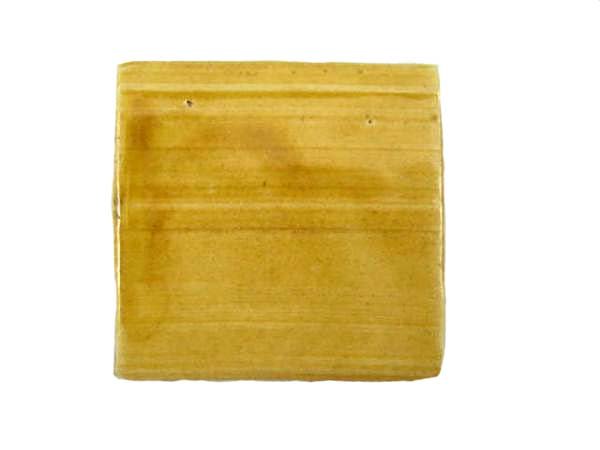
Rutile
Description
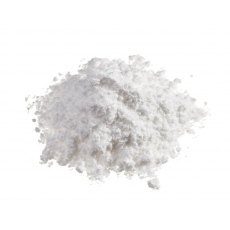
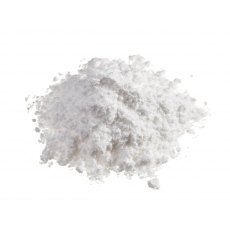
Rutile is used as an ore containing titanium and iron oxide. It gives a weak buff brown tint and is more commonly used to give dramatic texture to a glaze of broken or mottled colour, although it does not give this effect in lead glazes. Excellent for modifying other stains or oxides . Rutile is also widely used in crystalline glazes.
Health & Safety & Disposal
- When handling powdered ceramic oxides in the UK, you must wear an FFP3/P2 face mask and nitrile gloves to prevent inhalation and skin contact.
- Wear a wipeable apron, polyester overalls, or similar. Clean or wash frequently.
- Always clean your studio with a wet sponge rather than sweeping to stop dust from becoming airborne.
- When preparing glazes, add the dry material to water, not vice-versa, to minimise dust formation.
- Do not allow eating and drinking in the studio and thoroughly wash hands when leaving.
- Never eat, drink, or apply cosmetics in areas where clay or glazes are handled.
- Ensure emergency eye-washing facilities are available in the room.
- Review official guidelines regarding studio ventilation and chemical management routinely.
Rutile is not classified as an environmentally hazardous substance. However, in powder or dust form, it carries a specific UK hazard code of H351 (Suspected of causing cancer by inhalation) due to potential chronic lung effects from inhaling dust.
Dispose of as normal industrial waste, in accordance with local/regional/national/international regulations.
You may also like...
People who bought this also bought...

Share
Rutile
Facebook Twitter Email Pinterest Telegram