



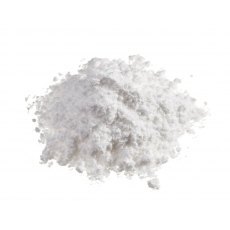
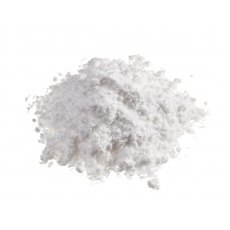
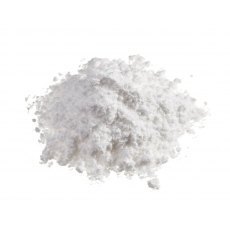
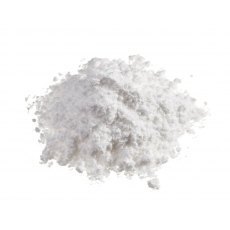
Barium Carbonate
Description
A high temperature flux, which can also be added in small quantities (0.2-0.8%) to slips and low fire bodies to reduce solubility of salts and prevent 'scumming'.
Barium carbonate is also popular for the production of crystal matte glazes, BaO readily forms crystalline phases during cooling. Barium carbonate can act to initiate crystal development in other glazes, some metallics can benefit by the addition of barium carbonate.
Chemical Analysis
BaCO2
Health & Safety & Disposal
- When handling powdered ceramic oxides in the UK, you must wear an FFP3/P2 face mask and nitrile gloves to prevent inhalation and skin contact.
- Wear a wipeable apron, polyester overalls, or similar. Clean or wash frequently.
- Always clean your studio with a wet sponge rather than sweeping to stop dust from becoming airborne.
- When preparing glazes, add the dry material to water, not vice-versa, to minimise dust formation.
- Do not allow eating and drinking in the studio and thoroughly wash hands when leaving.
- Never eat, drink, or apply cosmetics in areas where clay or glazes are handled.
- Ensure emergency eye-washing facilities are available in the room.
- Review official guidelines regarding studio ventilation and chemical management routinely.
Barium carbonate is a hazardous chemical used in ceramics. In the UK, it is strictly regulated because it is highly toxic if ingested and moderately harmful if inhaled or in contact with skin.
This material and its container must be disposed of as hazardous waste. Dispose of contents/container in accordance with local/regional/national/international regulations.
People who bought this also bought...


Share
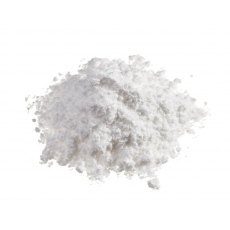
Barium Carbonate
Facebook Twitter Email Pinterest Telegram