



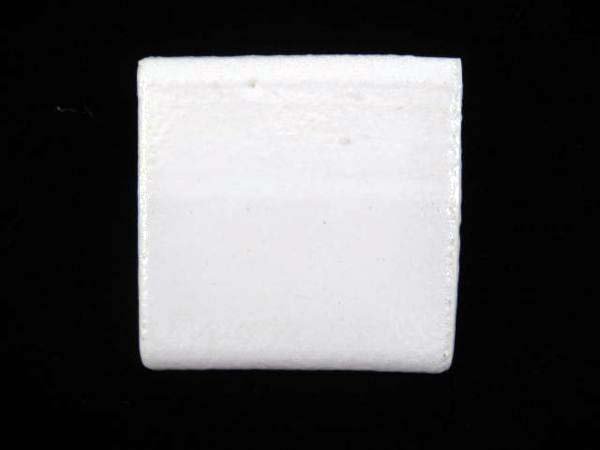
Antimony Oxide
Note: Currently not available for delivery to Europe, World Zone A, World Zone 2 and World Zone 1.
Description
An oxide with various properties depending on its combination with other oxides. It is a semi metal, having properties belonging to non-metal and metal oxides. It is also a modifier and opacifier. It modifies lead oxide to produce a yellow colour.
However, due to its toxicity and volatilization at higher temperatures, it requires strict handling and safety procedures
Health & Safety & Disposal
- When handling powdered ceramic oxides in the UK, you must wear an FFP3/P2 face mask and nitrile gloves to prevent inhalation and skin contact.
- Wear a wipeable apron, polyester overalls, or similar. Clean or wash frequently.
- Always clean your studio with a wet sponge rather than sweeping to stop dust from becoming airborne.
- When preparing glazes, add the dry material to water, not vice-versa, to minimise dust formation.
- Do not allow eating and drinking in the studio and thoroughly wash hands when leaving.
- Never eat, drink, or apply cosmetics in areas where clay or glazes are handled.
- Ensure emergency eye-washing facilities are available in the room.
- Review official guidelines regarding studio ventilation and chemical management routinely.
Under UK and EU regulations, Antimony(III) oxide is classified as a hazardous substance (Category 2 Carcinogen), suspected of causing cancer through inhalation.
This material and its container must be disposed of as hazardous waste. Dispose of contents/container in accordance with local/regional/national/international regulations.
People who bought this also bought...

Share
Antimony Oxide
Facebook Twitter Email Pinterest Telegram